

On a cool, clear Canberra morning 70 years ago, Vladimir Petrov left the Soviet Embassy in Canberra with a bundle of secret documents, made his way to the airport and boarded a plane to Sydney. Also on the plane was ASIO’s NSW Regional Director Ron Richards. Sitting in Richards’ car the evening before, they had devised their plan. When they arrived in Sydney they went their separate ways, but by day’s end, Petrov was back with Richards in a Sydney flat where he formally requested asylum. He was then introduced to ASIO Director-General Charles Spry, who was keen to see Petrov’s documents.
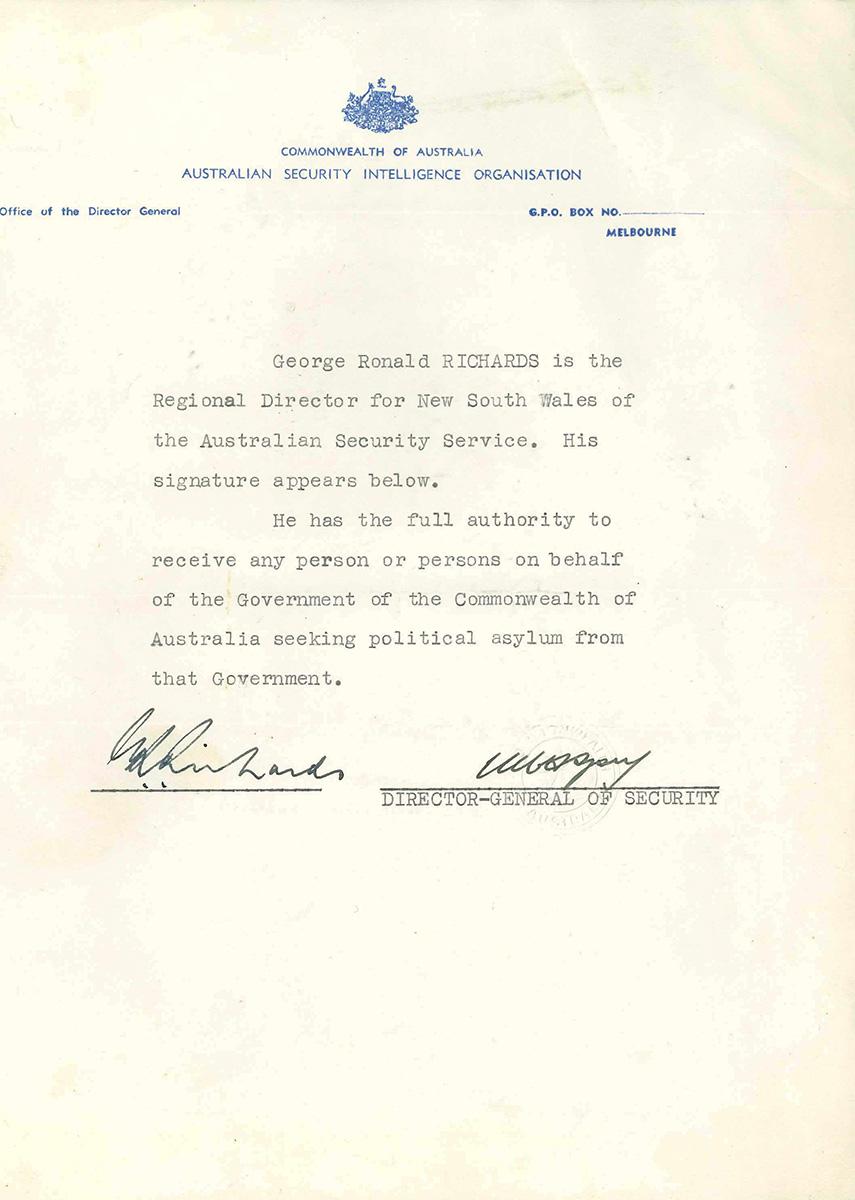
The next day, Petrov carried out his normal duties in Sydney to avoid suspicion, before getting in a car with Richards at Mascot Airport. They drove to a safe house where Petrov was given A£5000 in cash and spent the next 6 hours providing a formal statement to ASIO. The date was 3 April 1954. Operation CABIN-12 was in full swing.
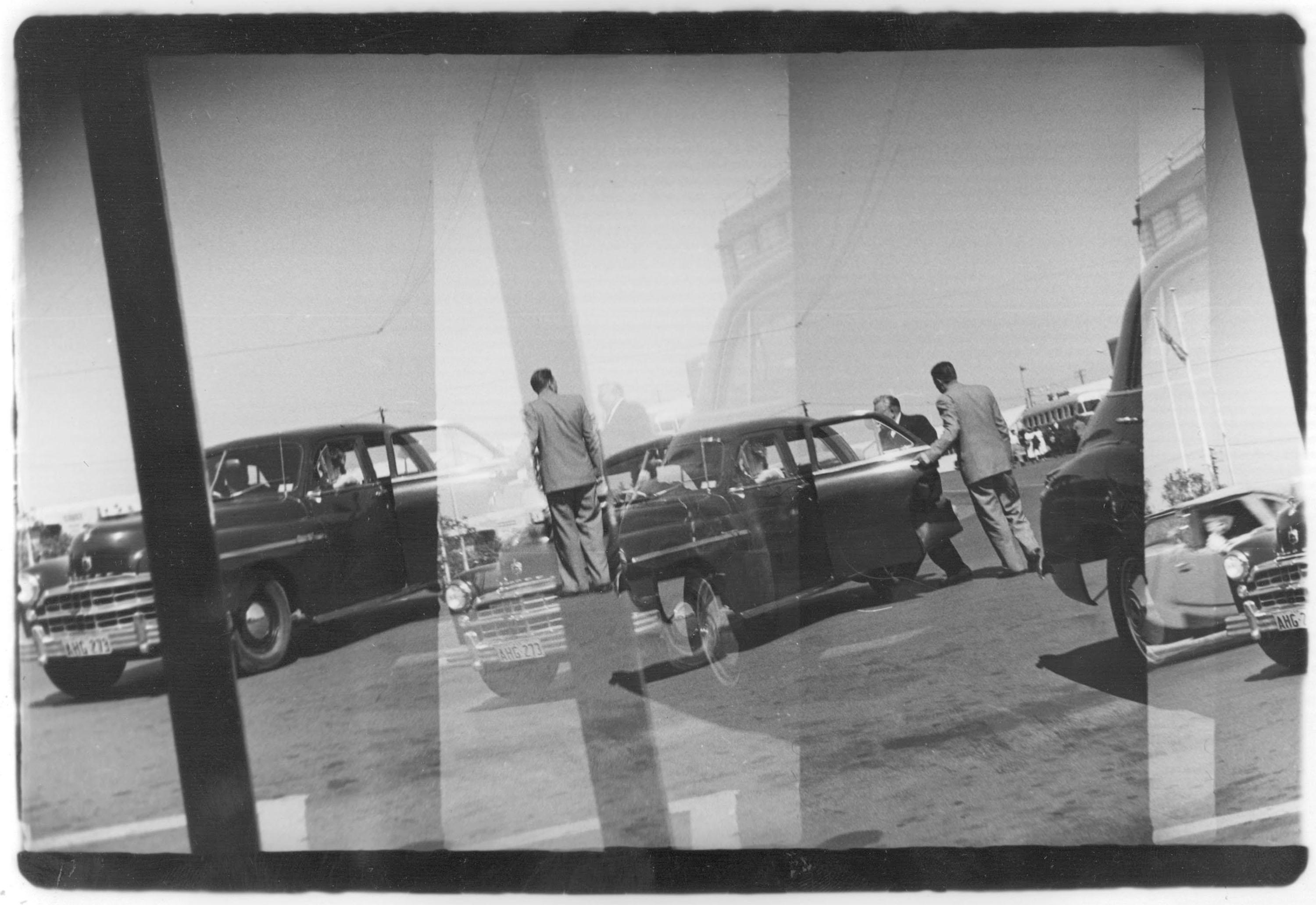
For the next 10 days the defection of the Third Secretary and Consul of the Soviet Embassy – and intelligence officer – would remain a closely guarded secret, until it was revealed in Parliament by Prime Minister Robert Menzies on the evening of 13 April, the last sitting day before a federal election.
For much of this time Petrov’s wife Evdokia – also an experienced intelligence officer – did not know whether her husband was alive or dead as she was kept under guard in the Soviet Embassy. On 19 April, she was escorted onto a flight to the USSR by two Soviet couriers amid dramatic scenes on the tarmac at Mascot Airport. The plane stopped to refuel in Darwin, and at the last moment before the flight was due to resume, Evdokia also agreed to request political asylum.
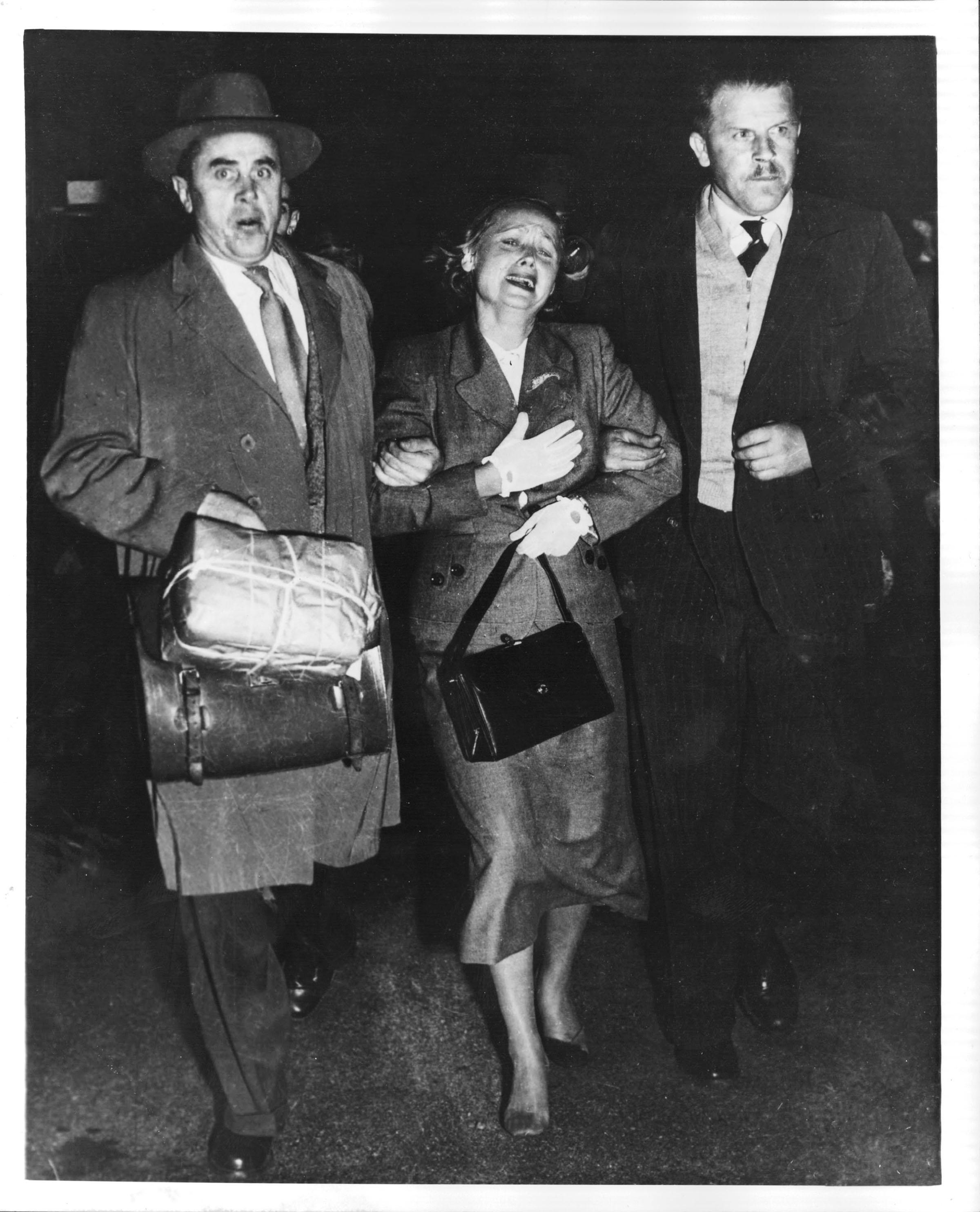
The defection of the Petrovs was a victory for ASIO and a defining moment in Australian history. It created a political firestorm, severed diplomatic relations with the USSR for half a decade and sparked the Royal Commission on Espionage.
In ASIO’s 75th year, we are revisiting our history and examining how key events shaped the organisation, including the Petrovs’ defection, which cemented ASIO’s reputation domestically and internationally as a credible intelligence organisation.
Operation CABIN-12 did not end with the successful defections. ASIO officers spent 2 years debriefing the couple in secret safe houses to collect their valuable intelligence, and went on to protect the Petrovs’ identity and safety, and visit them regularly until their deaths decades later.
ASIO was established in 1949 in response to information revealing a Soviet spy ring was operating in Australia. By 1950, ASIO had set up extensive surveillance of the Soviet Embassy in Canberra and a telephone intercept revealed that Mr and Mrs Petrov would be coming to Australia in February 1951. By the time they arrived to take up their positions at the embassy ASIO was already on the hunt for suitable candidates for defection who could help crack the spy ring.
Not long after arriving, Mr Petrov was promoted to Third Secretary. He was tasked with monitoring Soviet citizens and recruiting Australian agents for espionage activity. Mrs Petrov was officially an accountant and secretary at the embassy but in reality was working as a cipher clerk. In the USSR they had met in the NKVD (a forerunner of the KGB) where they both worked as cipher specialists.
At this point, ASIO was assessing whether Petrov would make a good target for defection and soon became suspicious of his activities. ASIO placed Petrov under surveillance and ASIO case officer Jack Gilmour directed his agent Dr Michael Bialoguski to focus on building a friendship with Petrov.
Bialoguski was an asset who provided information to ASIO in return for payment, however he was untrustworthy and there were doubts about his character. But he was well placed in the community to convince Petrov to defect and as Bialoguski’s case officer, Jack Gilmour played a key role in laying the groundwork for the defection.
By early 1953, Bialoguski was reporting to Gilmour that Petrov was critical of his colleagues at the embassy. As Bialoguski and Petrov’s friendship grew, so did the prospect of his defection, which the pair were discussing seriously by early 1954. In response, ASIO prepared a detailed plan.
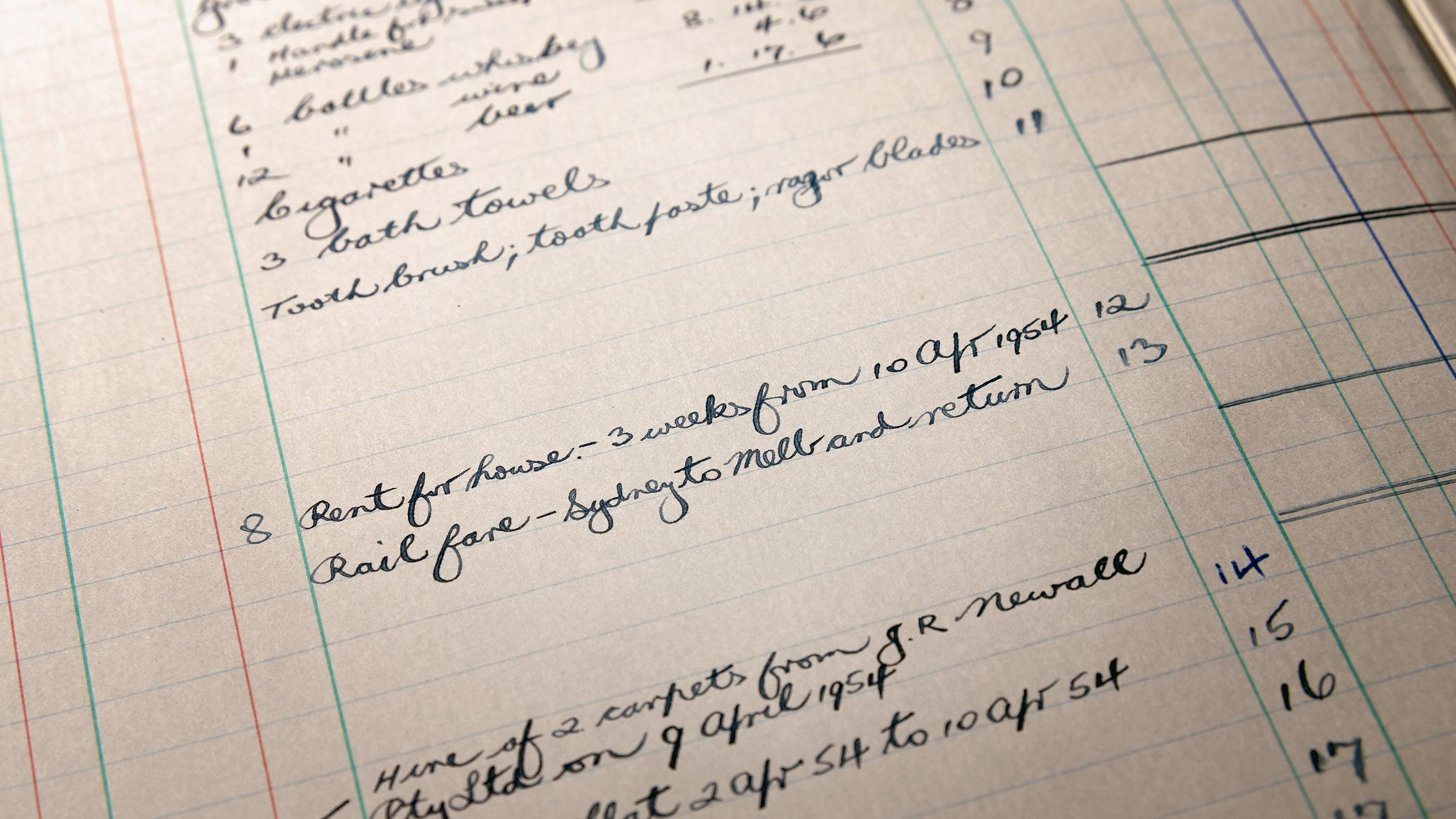
On 27 February 1954, Ron Richards and Petrov met for the first time and Petrov confirmed he wished to stay in Australia. They continued to meet regularly and during that final meeting on the evening of 1 April, before Petrov left the embassy for good, he gave Richards his shotgun and a bag of possessions for safekeeping.
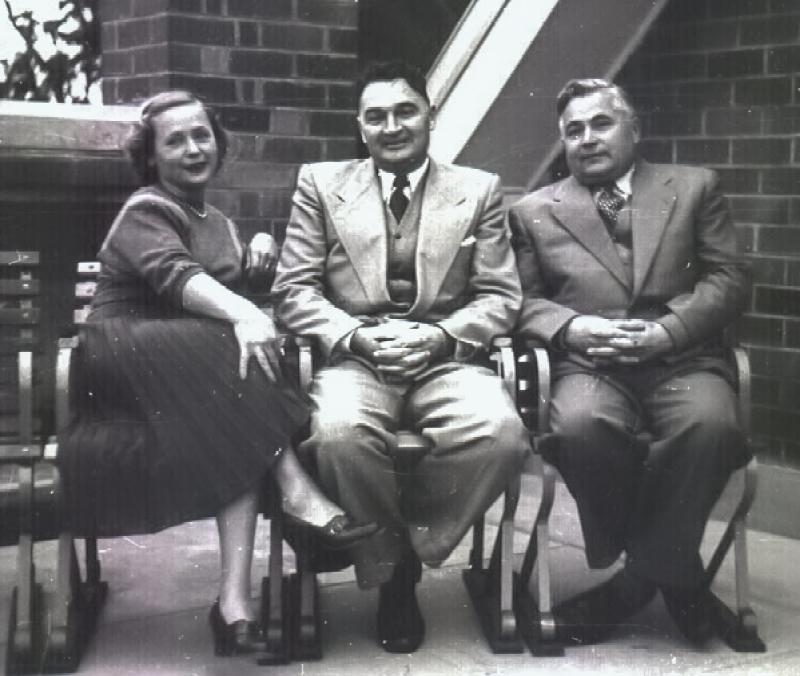
Several of ASIO’s earliest employees, known as the ‘49ers’ were involved in the Petrov case including Les Scott and Jack Griffiths.
A third officer was watching from a distance at Mascot Airport when Petrov got in the car with Ron Richards. He also conducted surveillance on Petrov and Bialoguski’s many meetings in Sydney.
“Bialoguski took a fair bit of handling,” the officer recalled. “But you had to get someone that was suitable to be an informant.”
Les Scott would spend a lot of time with the Petrovs in the following months. But before the defection was secured, he discovered by accident, on another surveillance job, that Richards and Petrov were in contact.
“My eyes opened wide when Ron Richards came by and gave Petrov a signal by slapping a light pole with a rolled-up newspaper, which was a signal for Petrov to follow him, which he did,” Scott said.
Later, Scott would spend a week at a time on duty at the safe house, staying with the Petrovs while they remained in secret locations ahead of the royal commission.
Scott remembers having to retrieve Mr Petrov after he disappeared from the safe house to “go for a walk.”
“He flagged down a delivery van and our brief was to know where he was but to not restrain him,” Scott explained.
“I was the one to follow him. The delivery van let him out and I was able to get him into my car by coming alongside and just opening the door, and he thought I was another kind motorist.
“We went to Manly and went into a hotel – he was drinking on his own which allowed me to make a call to the office. We had no radio and public telephones were few and far between and it seemed an eternity before somebody came to assist me. So we managed to convince Petrov to come back to the safe house.”
ASIO’s debriefings would continue for several years but the early interviews were crucial. Petrov revealed that suspected UK traitors Guy Burgess and Donald Maclean had indeed defected to the USSR. A firm connection between Petrov’s documents and the Venona intercepts – a TOP SECRET US project to decrypt KGB messages, some of which had revealed the existence of a Soviet spy ring in Australia – was also becoming clear. ASIO and MI5 were soon able to link the names of people who were either mentioned by Petrov or appeared in his documents with cover names in the Venona intercepts.
From April 1954 to June 1956, the Petrovs continuously answered briefs and supplied information. Western intelligence agencies were able to identify over 522 Soviet operatives in various countries throughout the world and obtained a mass of invaluable information on Soviet intelligence methods and espionage techniques.
ASIO officer Michael Thwaites also helped the Petrovs ghost-write their book, Empire of Fear, which was released in 1956 and gave a detailed, authoritative account of what it was like to work for the KGB.
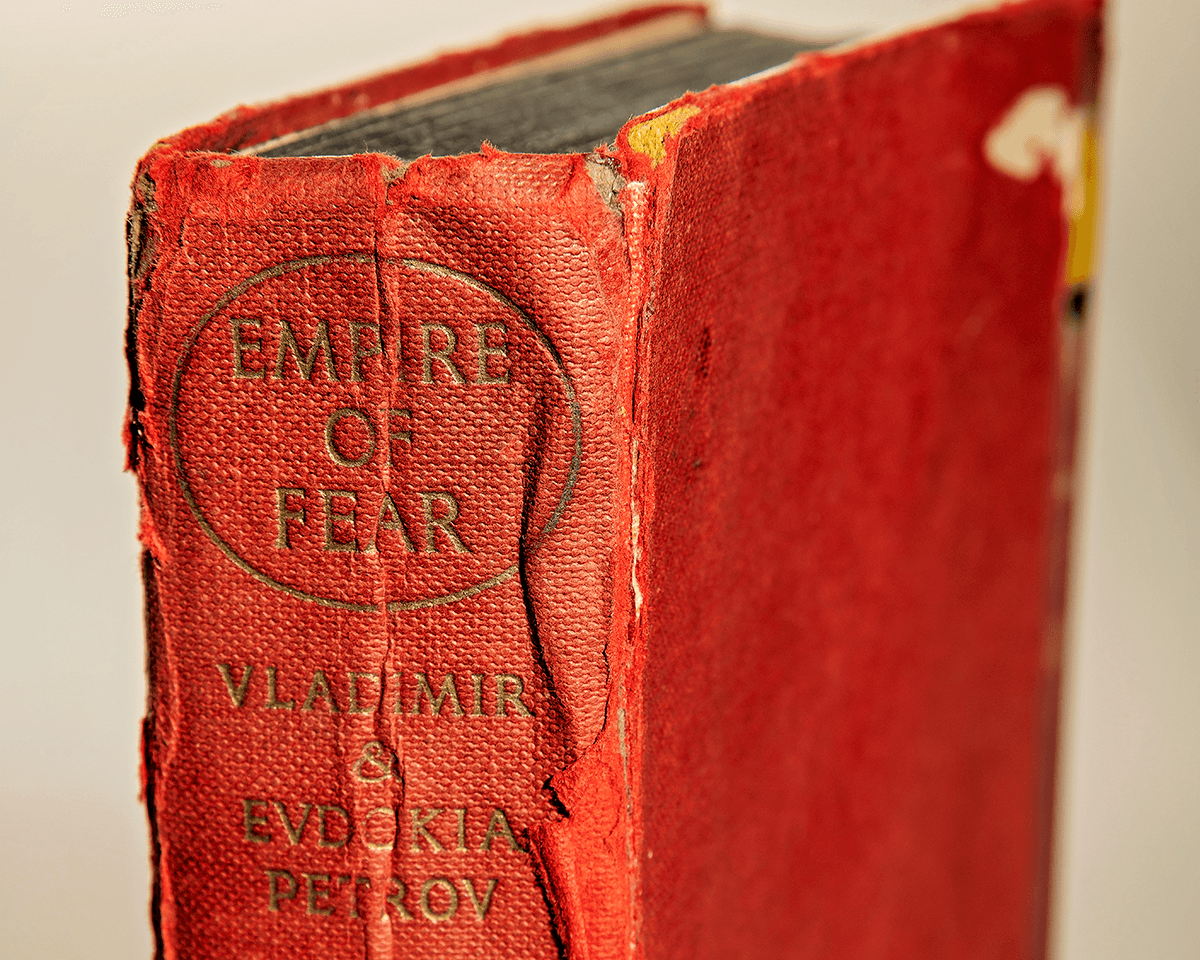
During the lead up to, and during the Royal Commission on Espionage, the Petrovs were afraid for their safety, having been sentenced to death in the USSR in September 1954.
The findings of the royal commission were released publicly in September 1955. It found that the Soviets had run a spy ring in Australia and that the Petrov documents were authentic, and the Petrovs truthful witnesses. The Petrov papers revealed that for many years the Soviet Union had been using its embassy in Canberra as a “cloak under which to control and operate espionage organisations in Australia”.
As ASIO’s official history explains: “perhaps the most potentially valuable information provided by Petrov, unbeknown to him, was because of his broad background in KGB headquarters he was able to contribute to the worldwide effort to break encrypted KGB cables under the Venona program.”
In 1956, Melbourne hosted the Olympics and the Petrovs were temporarily moved to Queensland to thwart any possible assassination attempts. They were sent to live with Dudley and Joan Doherty who were instructed to look after them and keep them out of trouble. Dudley was a serving ASIO officer and Joan had previously worked for ASIO.
Dudley and his son Mark took Mr Petrov fishing, while Mrs Petrov, Joan and her daughter spent time together. Joan and Evdokia became firm friends.
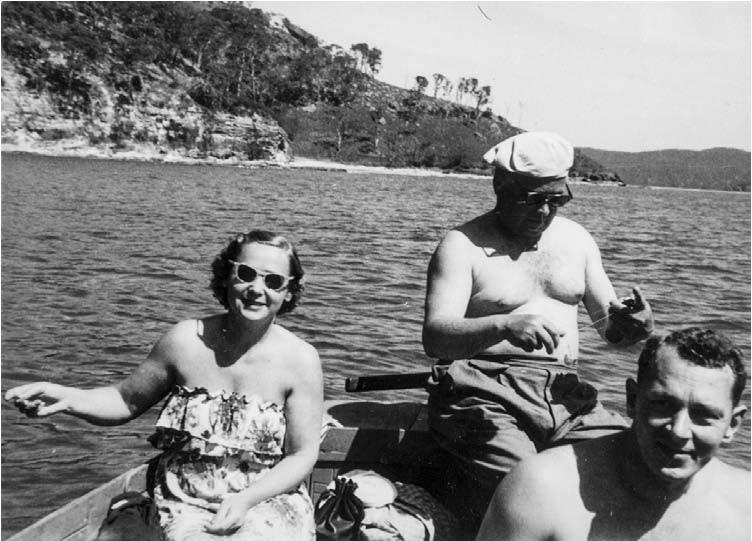
“She was a wonderful person. She was a character, very intelligent,” Joan recalled. Joan and Dudley were constantly on the lookout for Russians or members of the press who were trying to locate the Petrovs.
“We tried to keep life as normal as a family can,” she said.
After the 1956 Olympics the Petrovs settled in Melbourne under new identities and began new lives. They would continue to help ASIO and Western intelligence agencies around the world for decades to come.
ASIO officer and 49er Jack Griffiths, who had watched Petrov around Canberra in the early 1950s, was later in charge of regularly visiting the Petrovs at least monthly in the 1970s. He remembered them both having “phenomenal memories”.
“I was Petrov’s man for years,” he said. “I knew he had whole code books in his head.”
On 16 March 1973, Attorney-General Lionel Murphy famously raided ASIO headquarters in Melbourne. Shortly after the raid Mr Petrov expressed fears that ASIO would be disbanded and he would be sent back to Russia. He then had a stroke. In 1974, after further strokes, Mr Petrov went to live in hospital permanently and Mrs Petrov visited every week.
ASIO officer Robin Knight became the Petrovs’ case officer in 1989. Robin began visiting Mrs Petrov regularly and assisted in bringing Mr Petrov home to spend the day with Mrs Petrov every few months.
“Every three months ASIO would bring him out to the home to see her. He’d spend the day and then we’d take him back. He needed constant care. And ASIO would go and visit him in the hospital and make sure he had everything, television and that sort of stuff we supplied – the best that could be done,” Robin said.
After Vladimir died, Evdokia asked Robin if ASIO could assist in bringing her sister to Australia, which took a bit of effort to convince the Russians to let her leave.
Robin arranged the long-awaited reunion between Evdokia and her sister Tamara, which eventually happened in 1991. After the Petrovs defected, Evdokia was terrified her family would be persecuted, or even killed. For many years she had no news of their fate until 1964 when the sisters managed to reconnect with the help of the Red Cross.
“We just didn’t know quite what to expect, whether the Russians would still take an interest in her [Tamara] or what,” Robin said.
“We had it all planned out when she arrived at the airport. We had a Russian translator there and a couple of ASIO officers to usher her through customs, it was pretty emotional when they both met after 41 years.”
Tamara stayed for 3 months and eventually migrated to Australia, enjoying a new relationship with her sister for many years.
When Mr Petrov died on 14 June 1991, aged 84, Robin organised and conducted his funeral.
Robin continued to stay in regular contact with Mrs Petrov until she passed away on 19 July 2002, aged 88, and her sister Tamara until she decided to return to Russia.
In December 2023, when visiting the memorial plaques of Mr and Mrs Petrov, Robin noticed that the tenure of her plaque had expired. He and another former officer organised the continual maintenance of her plaque in collaboration with ASIO.
In early 2024, after almost 70 years of care and support, ASIO closed the Petrov case - Operation CABIN-12.